Straight-line reach for Salt Lake City jobs
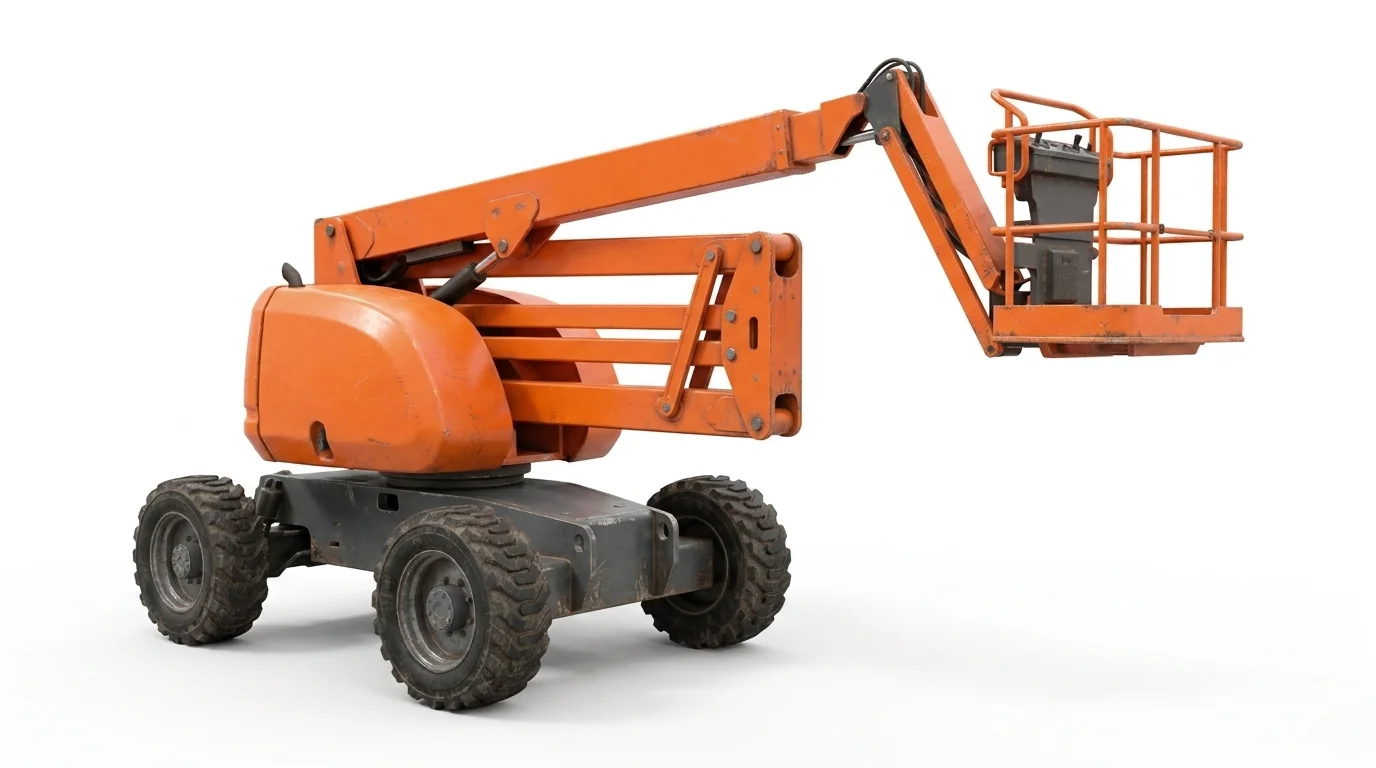
Local industrial sites and long elevations on logistics buildings reward simple geometry: park, extend, and land the platform. Telescopic booms excel where you can maintain alignment across longer setbacks like landscaped strips, utility easements, or apron clearances.
Plan around: - Setback distance: measure from parking spot to work face, including curbs or snow berms that push you back in winter. - Height vs. outreach: verify the model’s chart for horizontal reach at your required work height, not just maximum numbers. - Ground condition: valley floors offer broad, flat slabs, but exterior yards can rut or freeze; rough-terrain setups improve approach within the equipment’s limits.
When a straight boom underperforms
If catwalks, conveyors, or truss members block the path, a telescopic boom may require constant repositioning. In those cases, see /articulating-boom-lift-rental/. For purely vertical, repeat tasks along interior aisles, /electric-scissor-lift-rental/ can be more efficient.
Wind exposure and open sites
Open industrial corridors and airport-area projects experience gusty pockets. The allowable operating envelope comes from the selected unit’s instructions and site procedures. Factor wind exposure when choosing platform size and outreach expectations.
Typical Salt Lake City applications
- Exterior panel work and glazing lines on large industrial boxes
- Long setbacks around utilities and drainage swales
- Lighting, signage, and façade repairs along broad site perimeters
For material placement supporting façade crews, see /telehandler-rental/.
Actual site conditions, the selected unit’s instructions, and site procedures govern exterior or elevated work.