Define the setup point and slope
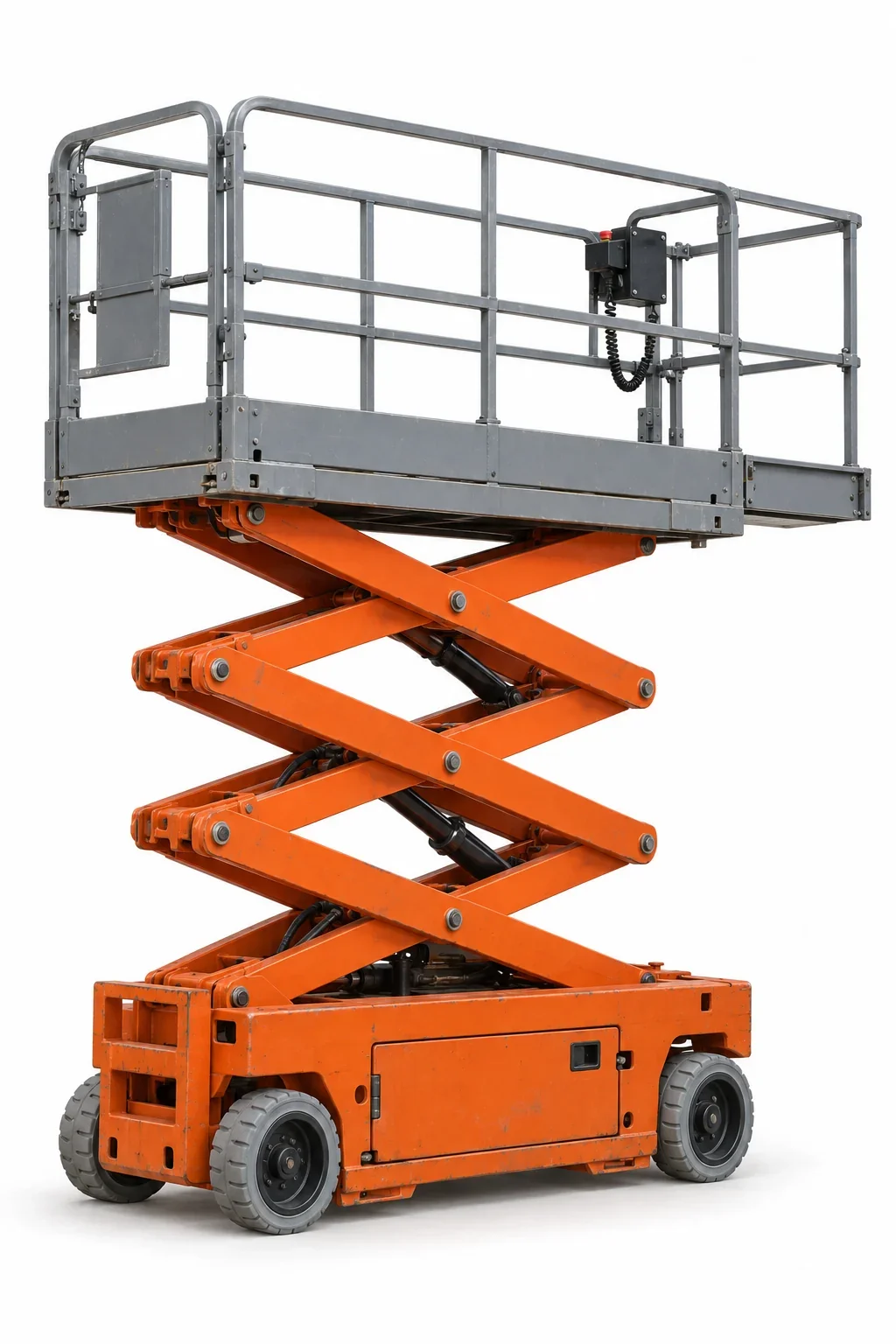
- Can the lift sit directly under the task, or must it straddle trenches and forms? Rough‑terrain scissors provide vertical access when you can park beneath the work but need stability on irregular ground.
- Note cross‑slope and approach angles on pads, utilities corridors, and near the Wasatch Range foothills. Outriggers and leveling capability can be essential when the slab is not yet poured.
Weather and surface conditions in Salt Lake City
Cold snaps and thaw cycles soften subgrade and increase wheel sink. Treaded tires, higher ground clearance, and traction control help maintain a stable base. For snow‑affected mornings, jobsite walk‑downs and surface prep determine whether the machine can be positioned safely; site procedures and the unit’s instructions govern final setup.
Platform height, deck capacity, and staging
- Choose platform height to cover the common exterior task: glazing, sheathing, or façade fixtures. Deck extensions help reach under soffits when you can stage directly below.
- Plan delivery routes around mud, ruts, and utility stubs. If the site transitions to interior work on finished floors, switch to /electric-scissor-lift-rental/ to protect surfaces and reduce noise.
Local use cases
- Industrial sites in expanding logistics zones where paving lags building steel.
- Exterior terminal work with apron‑adjacent grades and variable weather.
- Envelope and canopy tasks on commercial complexes before landscaping and hardscape are complete.
When a boom is a better match
If obstacles prevent parking under the work—such as canopies, retaining walls, or façade projections—compare /boom-lift-rental/ for up‑and‑over reach, or view all options at /aerial-lift-rental/.