Scissor vs. boom: the first decision
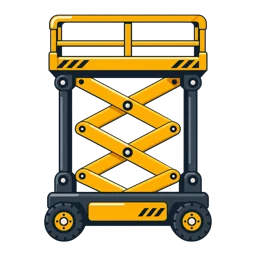
- Scissor lifts provide vertical access when the machine can park under the work and the route allows their width and weight. See /electric-scissor-lift-rental/ for slab interiors and /rough-terrain-scissor-lift-rental/ for exterior or unfinished ground.
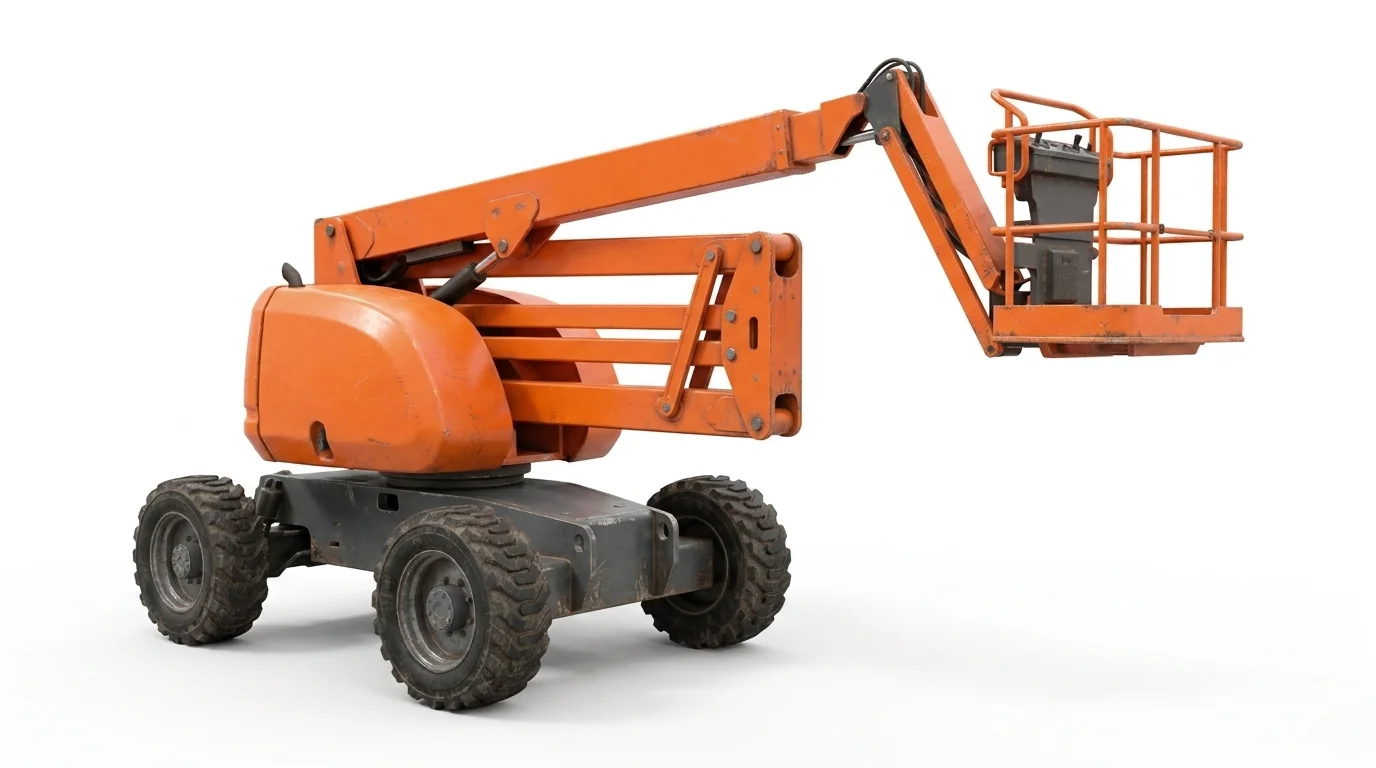
- Boom lifts solve up‑and‑over challenges—clearing conveyors, rooflines, and façades. Articulating models navigate around obstacles; telescopic models cover longer straight reaches. Explore options at /boom-lift-rental/.
Local conditions that affect selection
- Regional winters cool unheated interiors and make outdoor surfaces slick or soft. Electric machines suit clean floors and air‑sensitive spaces; rough‑terrain or engine‑powered units match yards, sites, and façades.
- Near foothill grades, slope and footing quality become limiting factors. Leveling ability and setup area size can dictate whether a scissor is feasible or a boom must reach from stable ground.
Height, reach, and access width
- Determine maximum working elevation and any horizontal offset to clear mechanicals or canopies.
- Map the narrowest aisle, door, or corridor. Compact slab scissors and vertical masts serve tight interiors; larger scissors and booms need wider access paths and staging zones.
Common Salt Lake City use cases
- Logistics facilities: frequent lighting and sensor work favors electric scissors sized to bay height.
- Terminal and airfield projects: mixed interior/exterior tasks split between slab scissors, rough‑terrain scissors, and booms for envelope reach.
- Healthcare and labs: electric, low‑noise machines with non‑marking tires for maintenance in sensitive spaces.
Next steps
If vertical access on smooth floors is clear, go to /electric-scissor-lift-rental/. For exterior work on uneven ground, open /rough-terrain-scissor-lift-rental/. If obstacles demand outreach, compare options at /boom-lift-rental/.