Define the placement before the machine
- Load specifics: know pallet size, fork pocket access, and actual weight with packaging and strapping.
- Placement: measure the height and the horizontal setback from the tires to the edge or landing point, including curbs, swales, or snow piles.
- Travel path: many industrial sites mix compacted base, slab, and winter-affected soil; tire and carriage choices hinge on that mix.
Salt Lake City ground and weather considerations
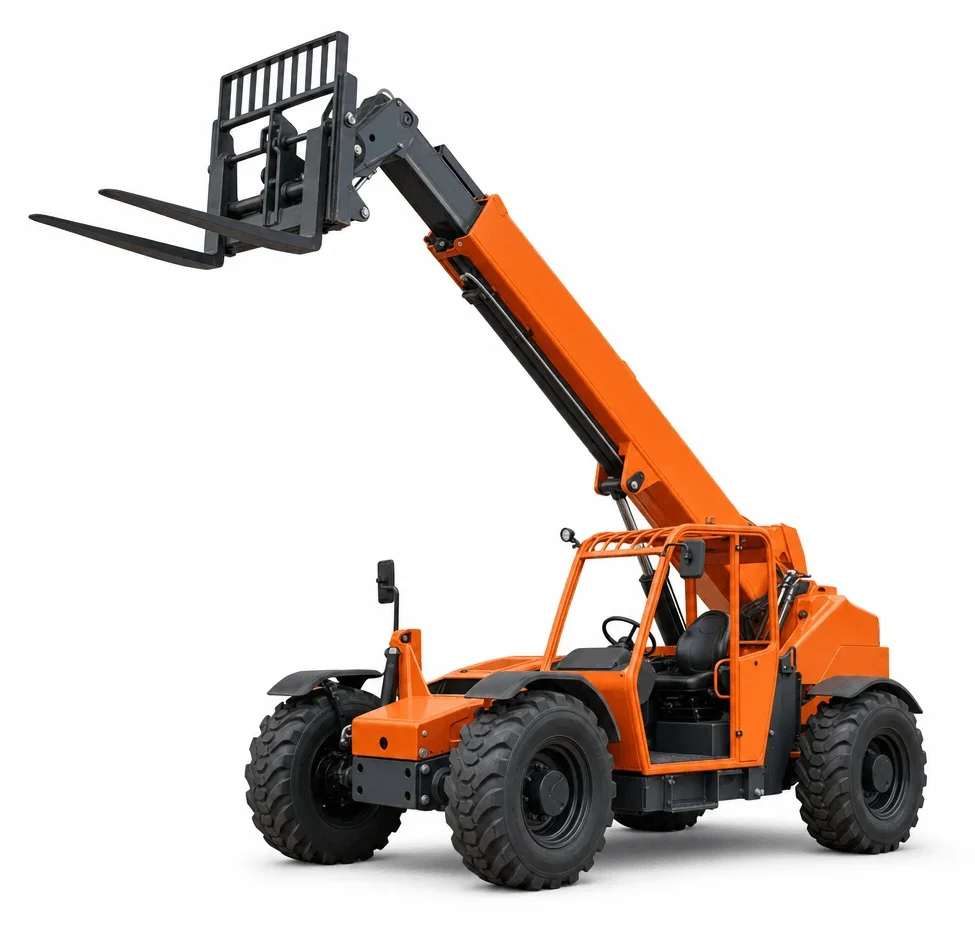
Regional freeze-thaw cycles and snow events can leave rutted approaches and slick dock ramps. A telehandler’s real-world capacity drops as you extend the boom; expect the load chart to govern placements at height. For tight interior drops or mezzanine feeds inside distribution buildings, smaller-frame units with shorter turning radii reduce aisle conflicts.
Attachments and task fit
Different tasks—roofing bundles, mechanical equipment, or formwork—affect carriage style and boom extension. Compare the required outreach at your working height to the model’s load chart instead of relying on a single maximum rating.
Coordinating with other site equipment
Telehandlers often support aerial work by staging materials under /boom-lift-rental/ operations. Plan traffic routes to avoid congestion at dock doors and slab joints, especially when ice or meltwater narrows usable lanes.
Actual site conditions, the selected unit’s instructions, and site procedures govern exterior or elevated work.
Related categories
- Aerial access planning: /boom-lift-rental/
- Storage during phased installs: /storage-containers-rental/
- Temporary perimeter control: /temporary-fencing-barricades-rental/